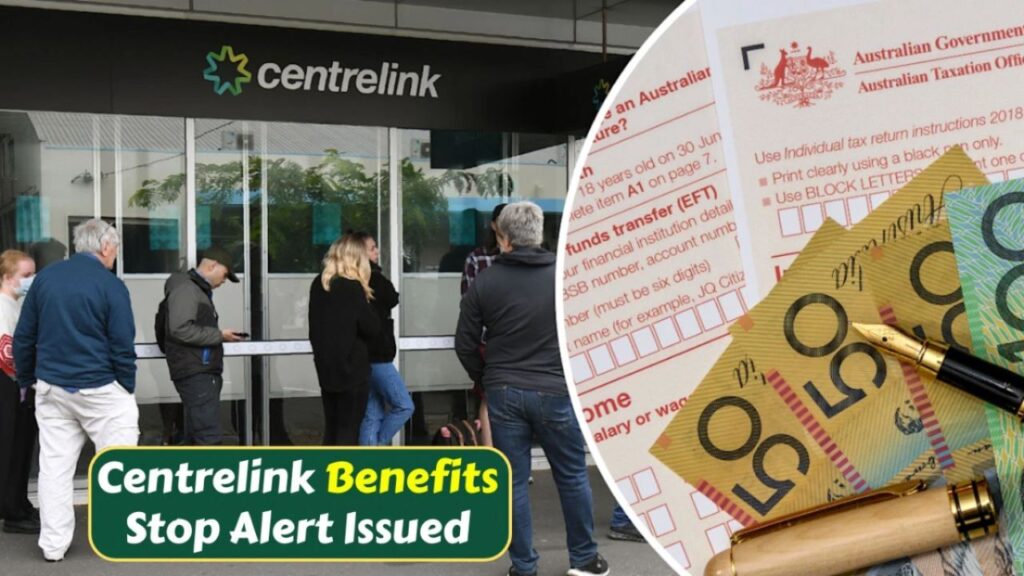
A wave of compliance alerts issued this April has placed benefit recipients on high alert, with thousands facing the risk of sudden payment interruptions. The potential financial impact is significant—some households could see losses reaching up to $7,800 over time if required actions are missed or delayed.
While these alerts are part of routine oversight designed to maintain system accuracy, the consequences of inaction can be severe. For individuals who rely on regular support payments, even a short disruption can create immediate financial pressure. Understanding how compliance works—and how to stay ahead of deadlines—has become essential for maintaining uninterrupted support.
Why the April Compliance Wave Is Drawing Attention

Compliance checks are not new, but recent updates suggest a stronger focus on monitoring accuracy and enforcing reporting obligations. These alerts are designed to confirm that recipients continue to meet eligibility conditions and provide up-to-date information about their circumstances.
A Shift Toward Stricter Oversight
Modern benefits systems rely heavily on automated monitoring tools. These tools cross-check employment, income, and participation data against reporting records. If inconsistencies appear, the system may automatically flag an account for review.
This increased reliance on digital verification has led to:
- Faster identification of reporting errors
- More frequent compliance notifications
- Shorter response windows
- Increased likelihood of temporary payment suspension

While these measures improve overall efficiency, they also require recipients to stay consistently engaged with their reporting responsibilities.
Why Small Mistakes Can Have Big Consequences
Many payment interruptions are not caused by deliberate wrongdoing. Instead, they often result from minor oversights such as delayed reporting or incomplete updates.
Common examples include:
- Reporting income late
- Forgetting to confirm job search activity
- Missing scheduled appointments
- Overlooking official messages

These seemingly minor issues can trigger automatic holds until the matter is resolved.
Who Faces the Highest Risk of Payment Disruption
Although compliance reviews apply broadly, certain groups are more likely to experience interruptions due to the nature of their eligibility requirements.
Individuals Receiving Employment-Based Support
Recipients required to demonstrate active job search activity face ongoing verification requirements. Missing activity targets or failing to submit required updates may result in immediate action.
Those most affected typically include:
- Individuals transitioning between jobs
- Part-time workers reporting fluctuating income
- Recipients entering new employment
- Individuals undergoing periodic eligibility reassessment
Even experienced recipients can encounter issues if reporting habits lapse.
People Experiencing Recent Life Changes
Any change in financial or personal circumstances can affect eligibility status. Failure to update records promptly increases the likelihood of triggering a review.
Key changes that require immediate reporting include:
- Starting or ending employment
- Changes in working hours
- New sources of income
- Household composition updates
- Relocation or residency changes
Keeping records current is the most effective way to reduce risk.
How the $7,800 Loss Can Accumulate
The figure of $7,800 represents a cumulative financial loss that may occur when payments remain suspended for extended periods. While a single missed payment may not seem critical, the long-term impact can escalate quickly.
Understanding the Financial Impact
When payments are paused due to unresolved compliance issues, regular income stops immediately. If the matter takes weeks or months to resolve, the missed payments accumulate.
Potential consequences include:
- Delayed or missed household payments
- Increased reliance on savings
- Greater exposure to short-term debt
- Difficulty maintaining essential expenses
In cases where eligibility requirements were not met during the suspension period, missed payments may not always be fully restored.
Why Delays Are So Costly
Reinstating payments typically requires documentation, verification, and review. This process can take time, particularly if multiple issues must be resolved.
The longer the delay, the greater the financial impact—making early action essential.
Key Reasons Payments Are Commonly Stopped
Understanding the most frequent causes of payment suspension helps recipients avoid preventable mistakes.
Reporting Errors and Delays
Accurate income reporting is one of the most critical requirements. Even small reporting inconsistencies can trigger a compliance review.
Typical reporting issues include:
- Submitting incorrect income details
- Missing reporting deadlines
- Forgetting to declare new earnings
- Entering outdated employment data
These mistakes are among the leading causes of payment interruptions.
Missed Participation Requirements
Some payment programs require ongoing participation in employment-related activities.
Failure to meet these obligations—such as attending interviews or completing required tasks—can result in immediate suspension.
Ignoring Official Notifications
Compliance notices are usually time-sensitive. Ignoring them can lead to automatic action.
Common notification issues include:
- Not checking digital accounts regularly
- Missing email alerts
- Failing to respond within required timeframes
- Overlooking appointment reminders
Regular monitoring of official messages helps prevent avoidable disruptions.
What You Should Do Immediately to Protect Your Payments
Proactive action is the most effective way to avoid compliance-related disruptions. Reviewing your current status ensures that all obligations are being met.
Verify Your Personal and Employment Details
Start by reviewing all stored information to confirm accuracy. This includes:
- Employment records
- Income details
- Contact information
- Reporting schedules
If anything has changed, update it immediately.
Check Messages Frequently
Official communication channels are the primary way compliance issues are communicated. Checking them regularly ensures you can respond quickly.
Best practices include:
- Logging into your account on scheduled reporting days
- Reading all notifications carefully
- Responding to requests without delay
- Saving copies of submitted information
This routine reduces the risk of missed deadlines.
Keep Documentation Organized
Having the right documents ready speeds up resolution if a review occurs.
Important records may include:
- Payslips
- Employment contracts
- Reporting confirmations
- Identification records
Keeping these files accessible simplifies the verification process.
The Growing Role of Automated Compliance Systems
Digital monitoring tools are transforming the way compliance is managed. These systems allow authorities to process large volumes of data quickly and detect irregularities in real time.
How Automation Changes the Experience
Automated systems offer several advantages:
- Faster processing of claims
- Immediate flagging of discrepancies
- Reduced manual errors
- Improved accuracy across payment systems
However, they also mean that reporting mistakes are detected sooner than in previous years.
Preparing for Future Compliance Trends
As automation continues to expand, recipients will likely encounter more frequent reviews. Adapting to this environment requires consistent engagement and attention to detail.
Staying informed about reporting requirements and policy updates is essential for maintaining uninterrupted payments.
How Compliance Awareness Supports Financial Stability
Maintaining compliance is not just about avoiding penalties—it also supports long-term financial confidence. Consistent reporting helps ensure reliable income flow and reduces unexpected disruptions.
Building a Strong Reporting Routine
Establishing a predictable routine makes compliance easier to manage.
Helpful strategies include:
- Setting reminders for reporting deadlines
- Maintaining a digital calendar
- Reviewing financial records weekly
- Tracking work-related changes in real time
These habits create stability and reduce stress.
Reducing Financial Risk
Avoiding payment interruptions protects your ability to meet ongoing expenses. This stability supports better budgeting and long-term planning.
Reliable payments allow households to:
- Maintain consistent spending patterns
- Avoid emergency borrowing
- Preserve savings
- Plan future financial goals
These benefits extend beyond short-term compliance.
Final Thoughts: Stay Proactive to Avoid Unexpected Losses
The recent compliance alerts serve as a powerful reminder that even minor reporting issues can lead to major financial consequences. With potential losses reaching thousands of dollars over time, staying informed and organized has never been more important.
Regularly reviewing your details, responding quickly to notifications, and maintaining accurate records can dramatically reduce the risk of payment disruption. In an environment where automated systems play an increasing role, proactive engagement is the key to maintaining financial stability and protecting essential support.